

Dr Emma Katz is widely regarded as one the world’s foremost academic experts in her area of research — how coercive control impacts on children and young people.
Emma specializes in the harms caused by father-perpetrated coercive control, as well as children’s and mothers’ resistance and recovery. Read more in her book Coercive Control in Mothers’ and Children’s Lives, published by Oxford University Press.
Welcome
Coercive control is all about perpetrators dominating victims’-survivors’ lives, taking away their power, and attacking their autonomy and identity.
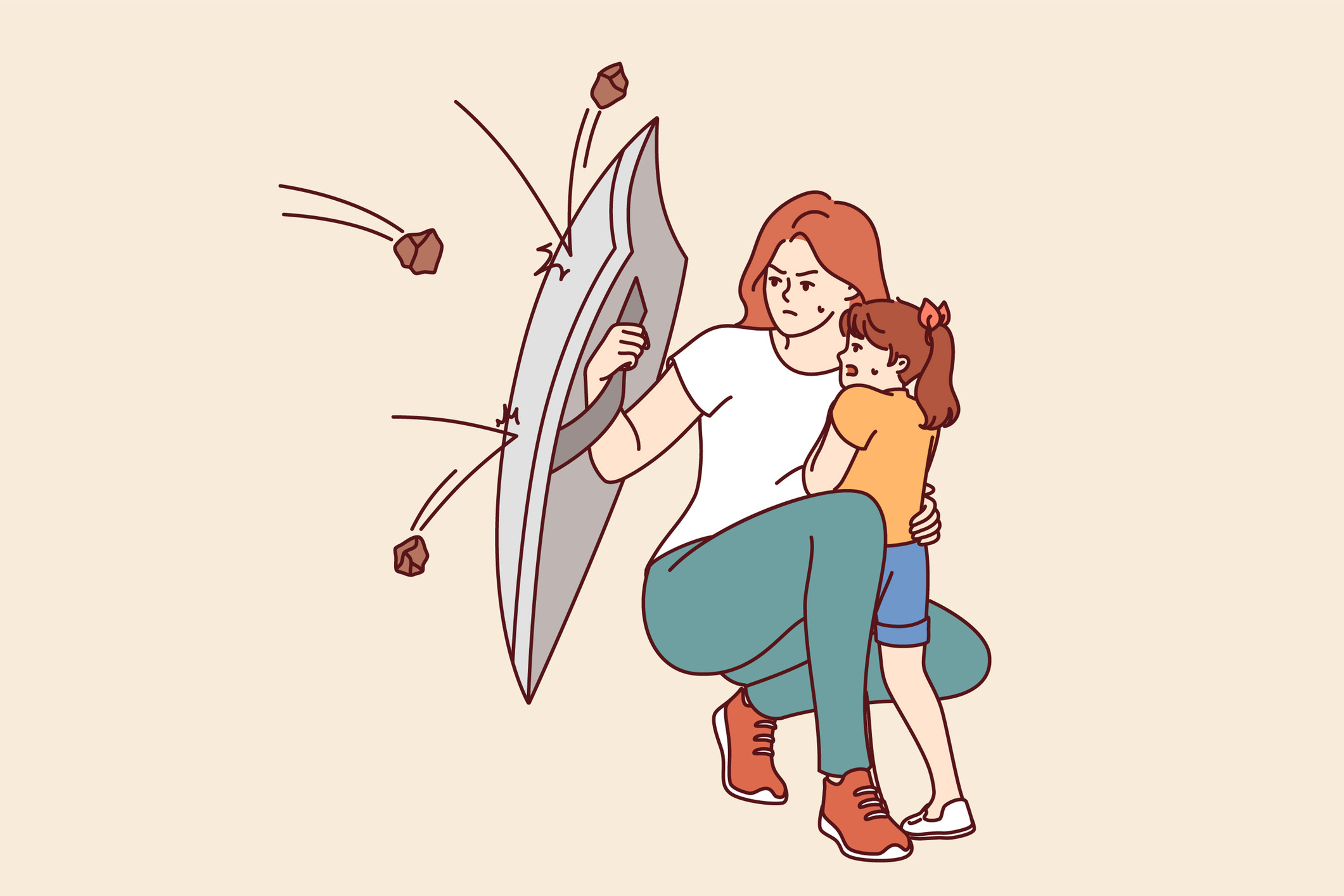
Yet even as this soul-crushing process is imposed on them, victims-survivors resist. They resist silently or loudly, openly or secretly, in little ways or in huge ways. Their resistance is interwoven with compliance, but it is there, like a gold thread in a dark tapestry.
After a long period of abuse by the perpetrator – maybe 5 years, 15 years or even 25+ years – a proportion of victims-survivors will escape. This is an act of incredible resistance that is all the more remarkable given the length of time that they were crushed and all the damage that this caused.
This post provides a systematic framework for understanding this resistance and explains what it tells us about the human spirit of victims-survivors.
Misunderstanding a victim’s-survivor’s resistance
The resistance of victims-survivors is often misunderstood. It can be mistaken for aggression — for example, the victim-survivor being “just as bad” as the perpetrator, or of being “high conflict” or “argumentative”. But this is false.